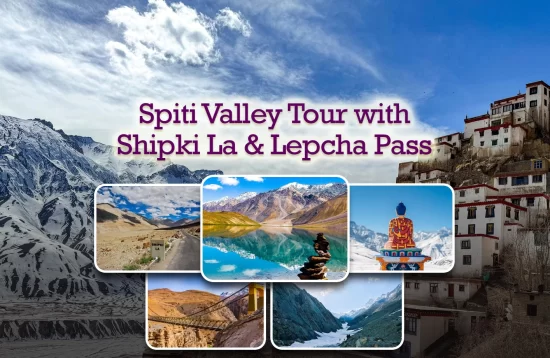
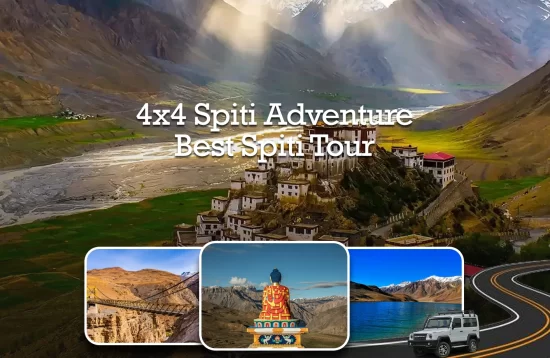
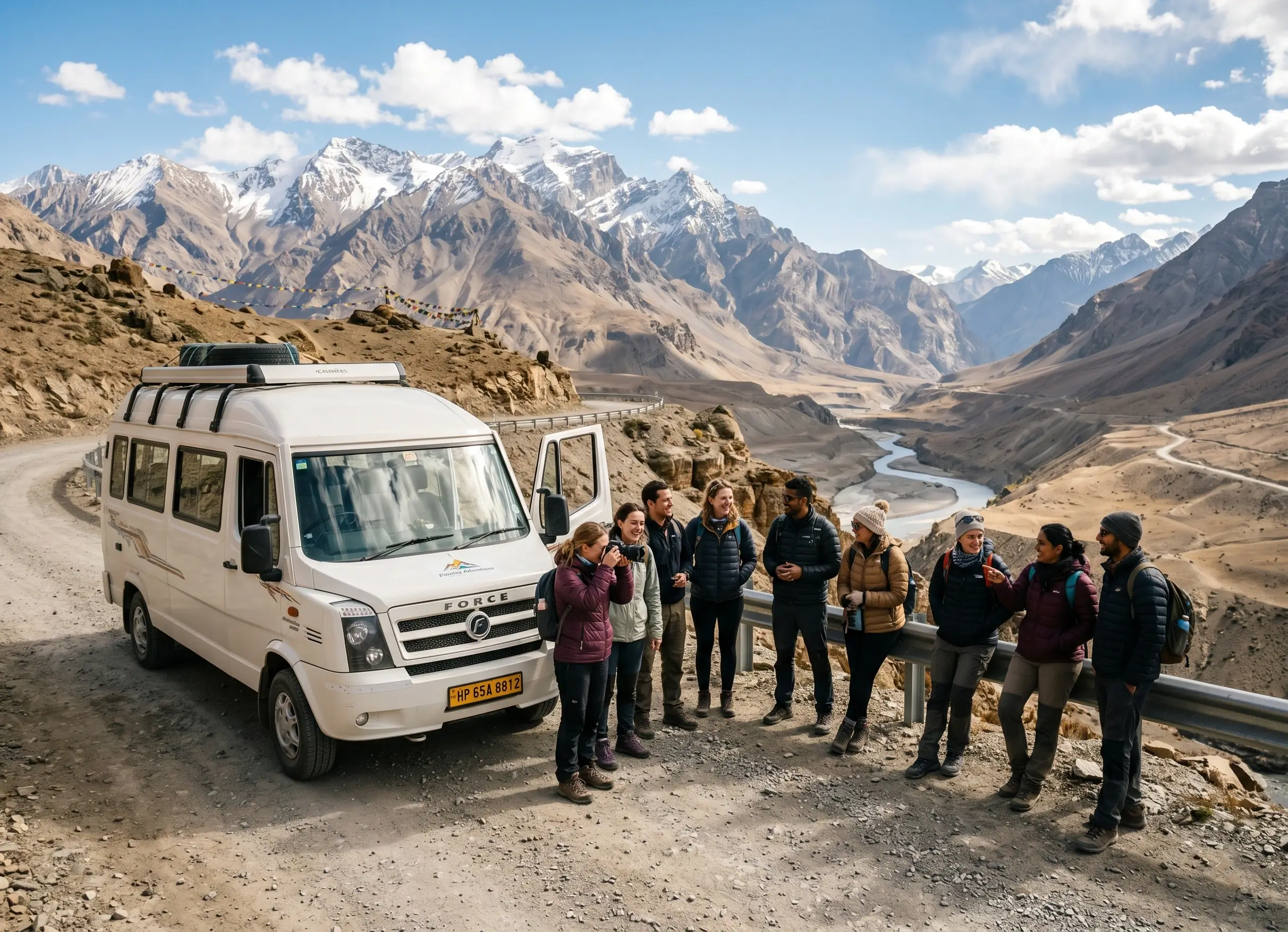
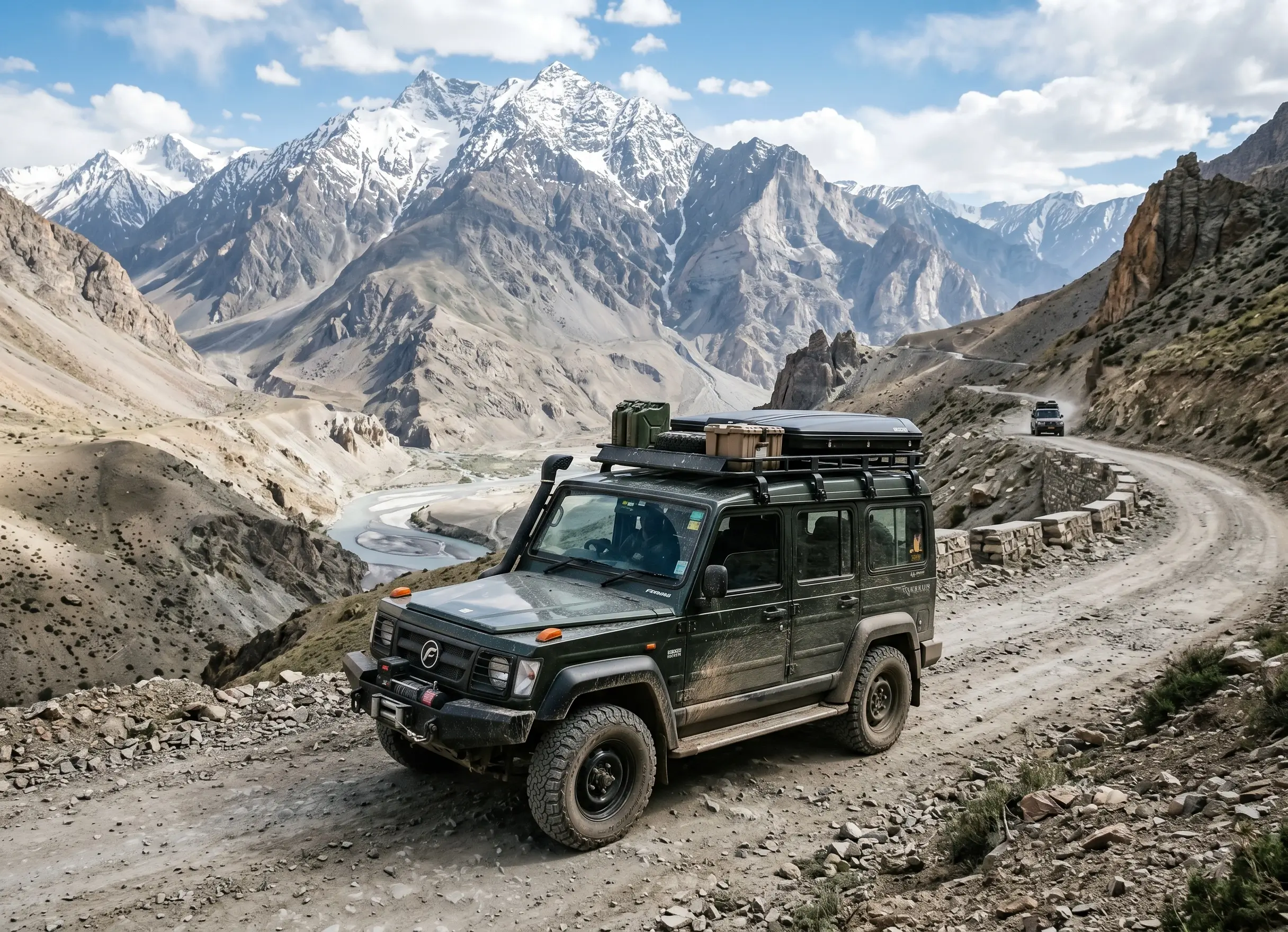
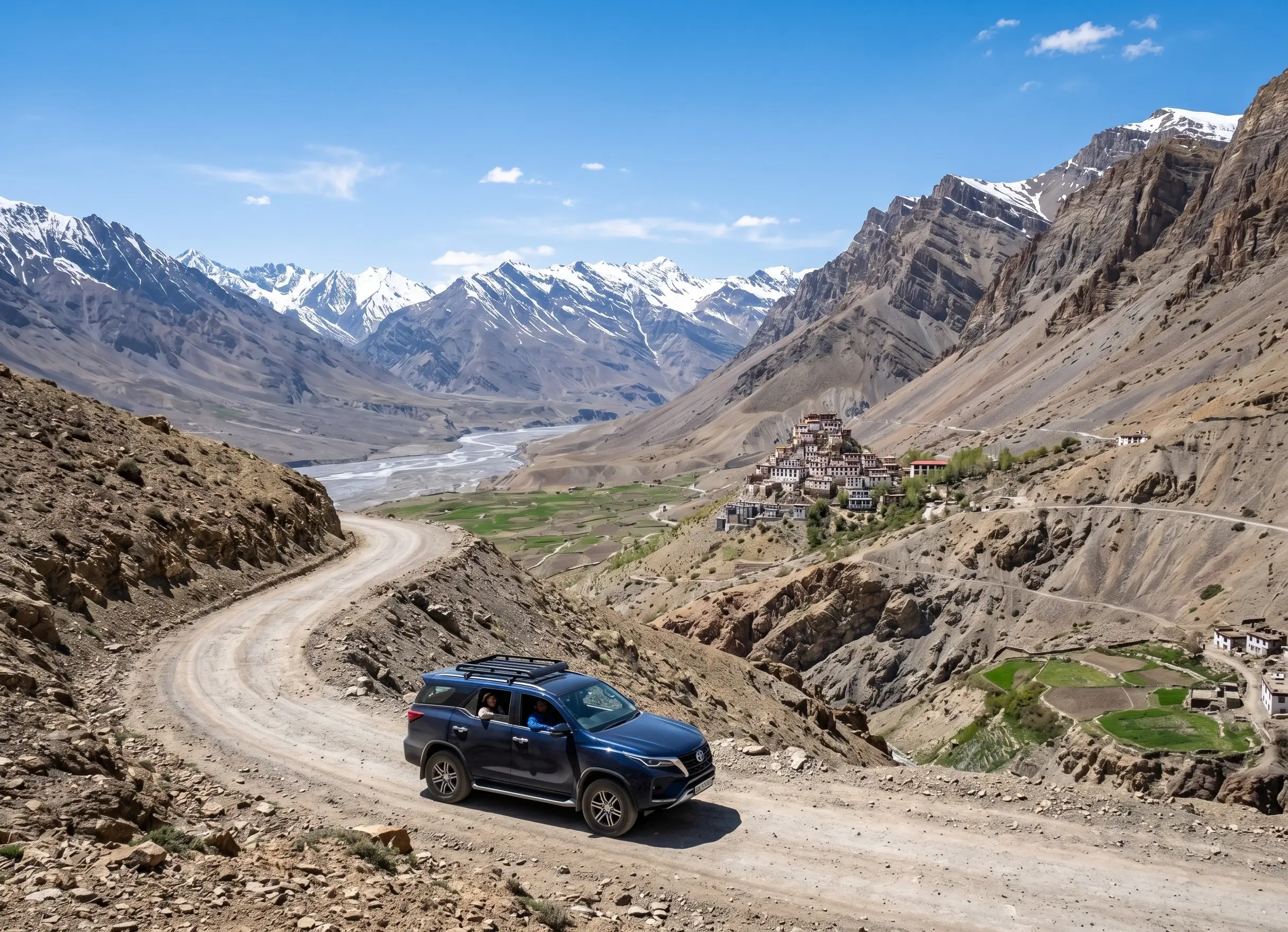
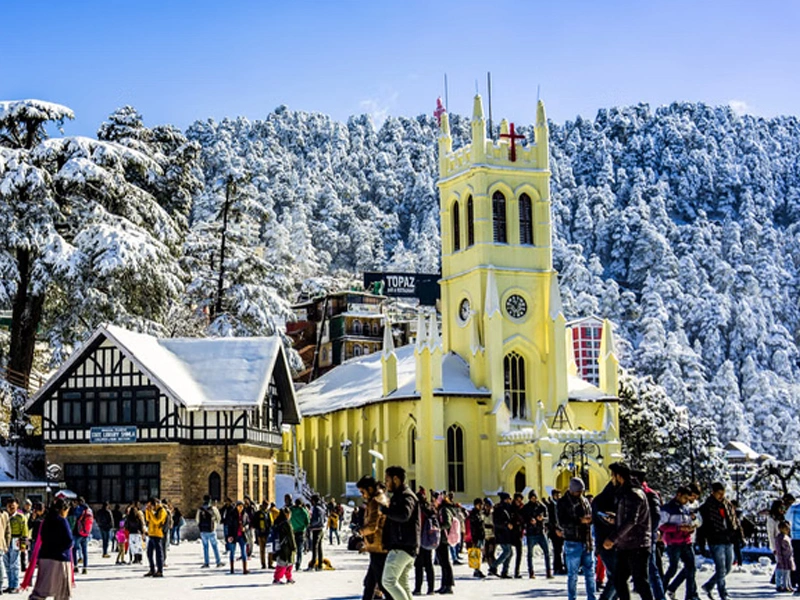
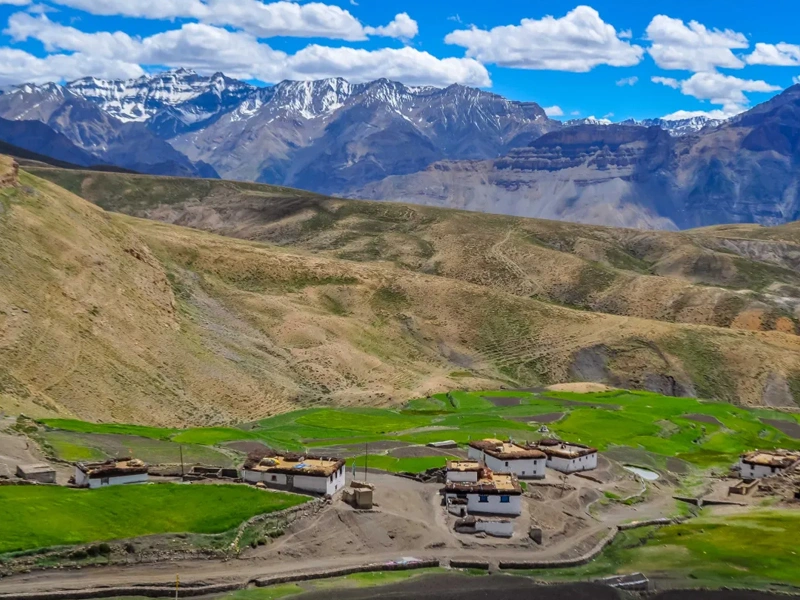
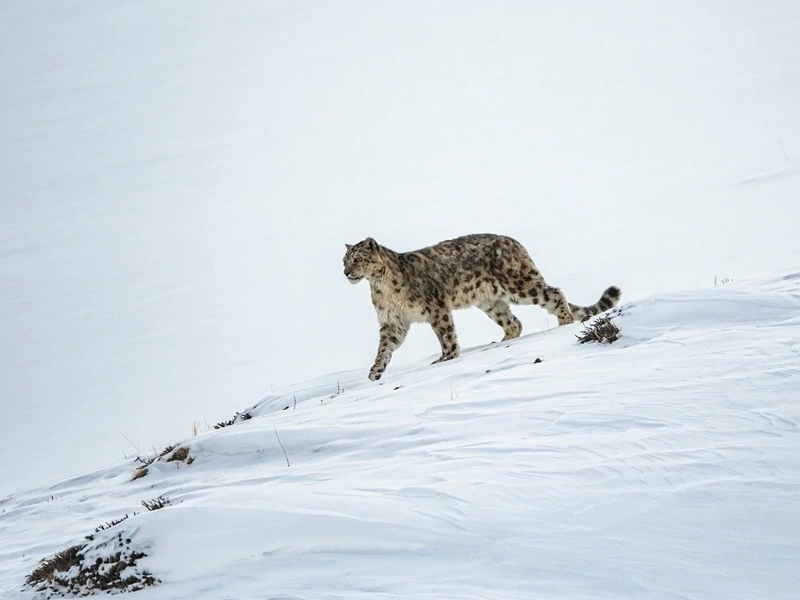
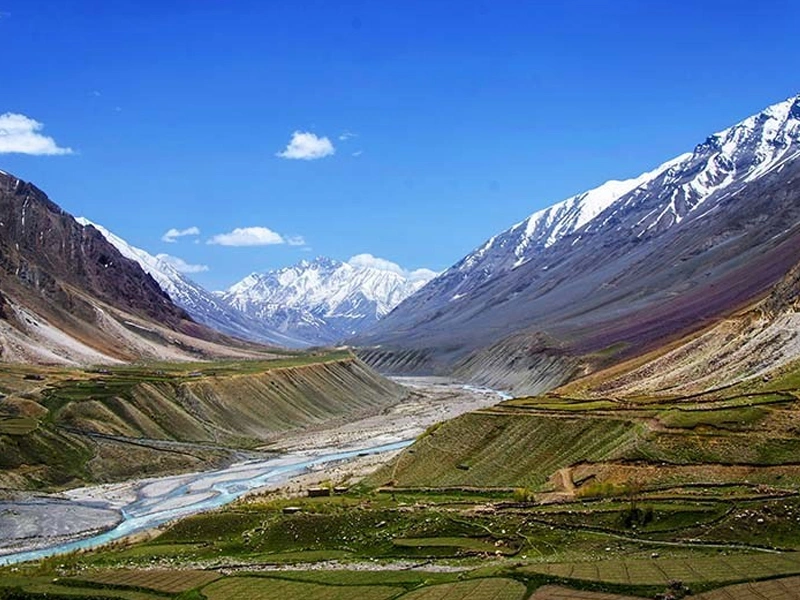
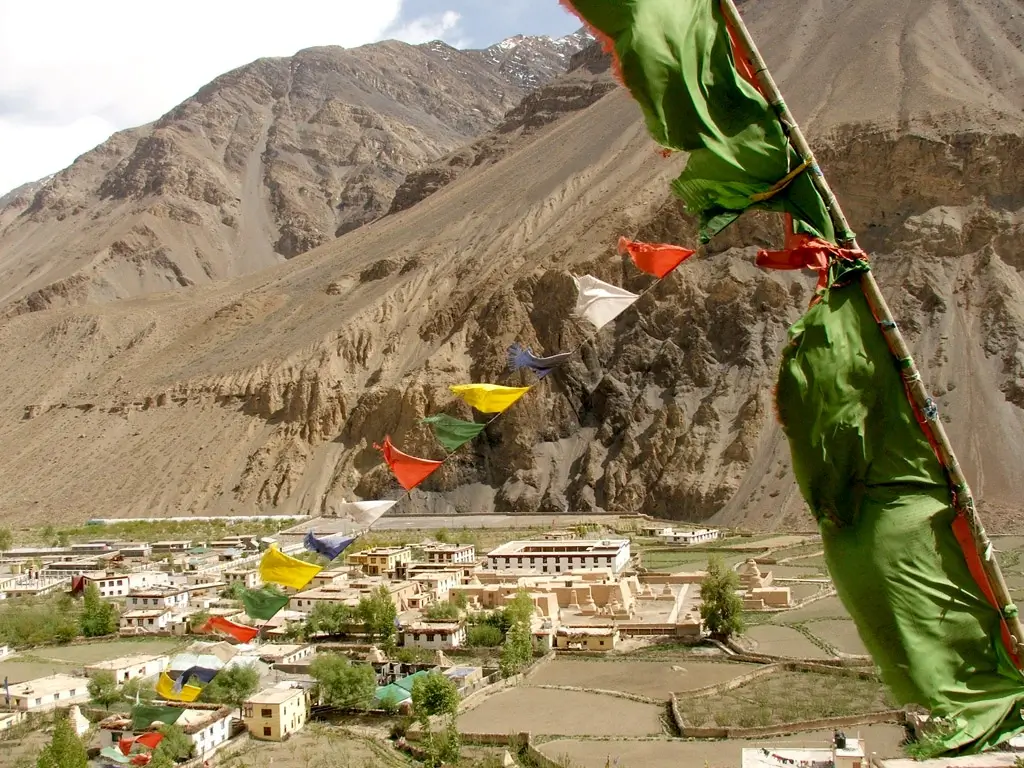
If you are searching for the best Spiti Valley tour package, you are not just planning a holiday. You are preparing for one of the most dramatic, raw and transformative Himalayan journeys in India. Spiti Valley is a high-altitude cold desert where ancient monasteries rise above barren mountains, roads cut through vertical cliffs, villages exist above 12,000–14,000 ft, and landscapes feel closer to Tibet than to mainstream Himachal.

At Great Himalayan Adventure Studio Pvt. Ltd. (GHAS), we design Spiti tours as curated Himalayan expeditions — not ordinary sightseeing trips. Our Spiti Valley packages include fixed departure group tours, winter Spiti expeditions, private 4×4 journeys, luxury Spiti Valley tours, Chandratal circuits and rare Trans-Himalayan routes like Shipki La.

Whether you are a solo traveller, photographer, couple, family, luxury traveller, adventure seeker or repeat Himalayan explorer, this Spiti hub page will help you choose the right Spiti tour package based on season, comfort level, vehicle type, route, budget and travel style.

Plan your Spiti Valley tour with GHAS:

  • Fixed departures
  • Private tours
  • 4×4 expeditions
  • Luxury Himalayan journeys
  • and custom Spiti itineraries available.

Why Spiti Valley Is the Ultimate Himalayan Expedition Destination

Spiti Valley, often called the “Middle Land” between India and Tibet, is one of the most powerful Himalayan landscapes in India. Unlike Shimla, Manali or Dharamshala, Spiti is not a regular hill-station holiday. It is a journey through high-altitude desert terrain, Buddhist monasteries, remote villages, fossil landscapes, mountain passes, glacial lakes and some of the most challenging roads in the Indian Himalayas.

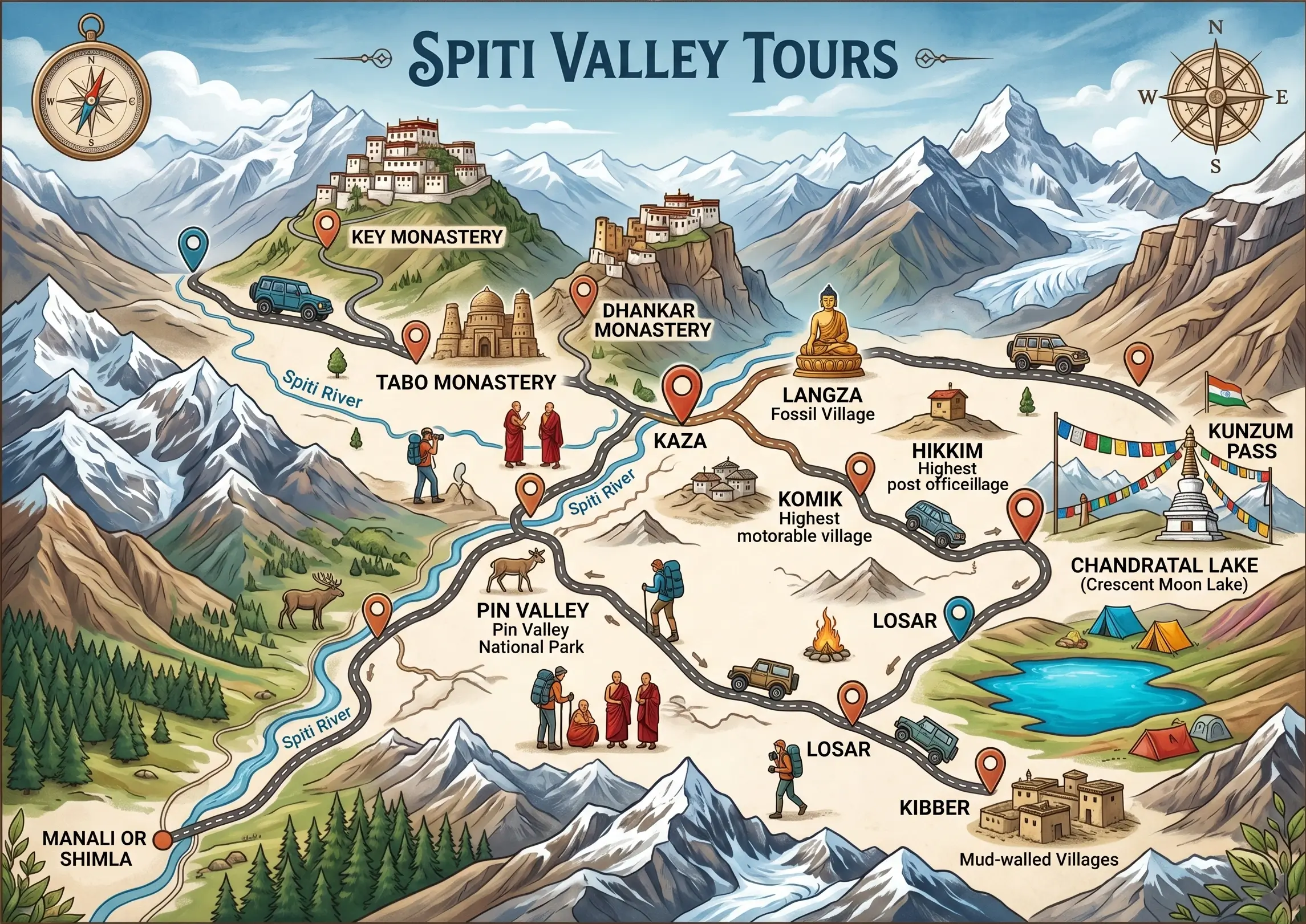
A well-planned Spiti Valley tour package gives travellers access to places like Kaza, Tabo, Dhankar, Key Monastery, Kibber, Langza, Hikkim, Komik, Chandratal Lake, Kunzum Pass, Kalpa, Sangla and the Kinnaur-Spiti highway. These are not just destinations; they are experiences that combine adventure, spirituality, geography, culture and raw Himalayan beauty.

What Makes Spiti Valley Different?

  • Cold desert landscapes: Barren mountains, deep gorges, dramatic skies and lunar terrain.
  • Ancient Buddhist culture: Monasteries like Tabo, Key and Dhankar are living centres of Himalayan Buddhism.
  • High-altitude villages: Langza, Hikkim, Komik and Kibber offer rare insight into life above 13,000 ft.
  • Adventure roads: Kinnaur-Spiti cliff roads, Kunzum Pass and Chandratal routes make Spiti a true road-trip destination.
  • Seasonal contrast: Summer Spiti offers full circuit access, while winter Spiti delivers snow-covered isolation.

Types of Spiti Valley Tour Packages

Every traveller does not need the same Spiti itinerary. Some travellers want an affordable Spiti group tour package, while others want a private SUV journey, a winter snow expedition, a Chandratal camping experience or a premium 4×4 Trans-Himalayan route. GHAS offers multiple Spiti tour styles so travellers can choose based on comfort, budget, season and adventure level.

1. Spiti Winter Tour Package – The Snow Desert Expedition

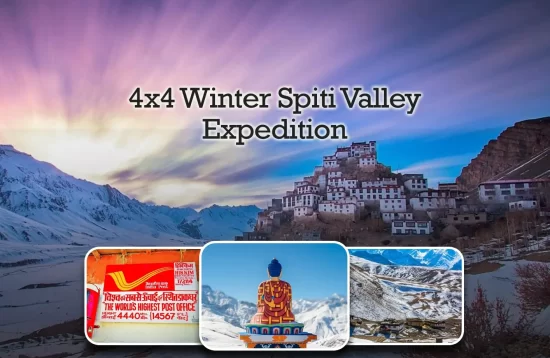
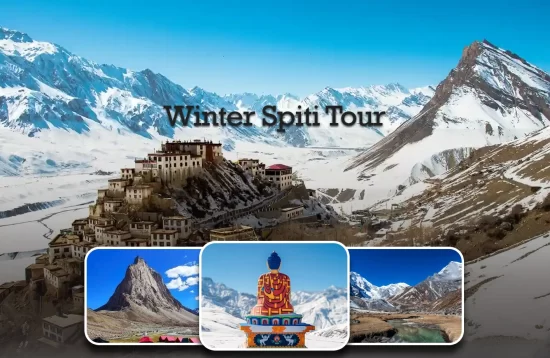
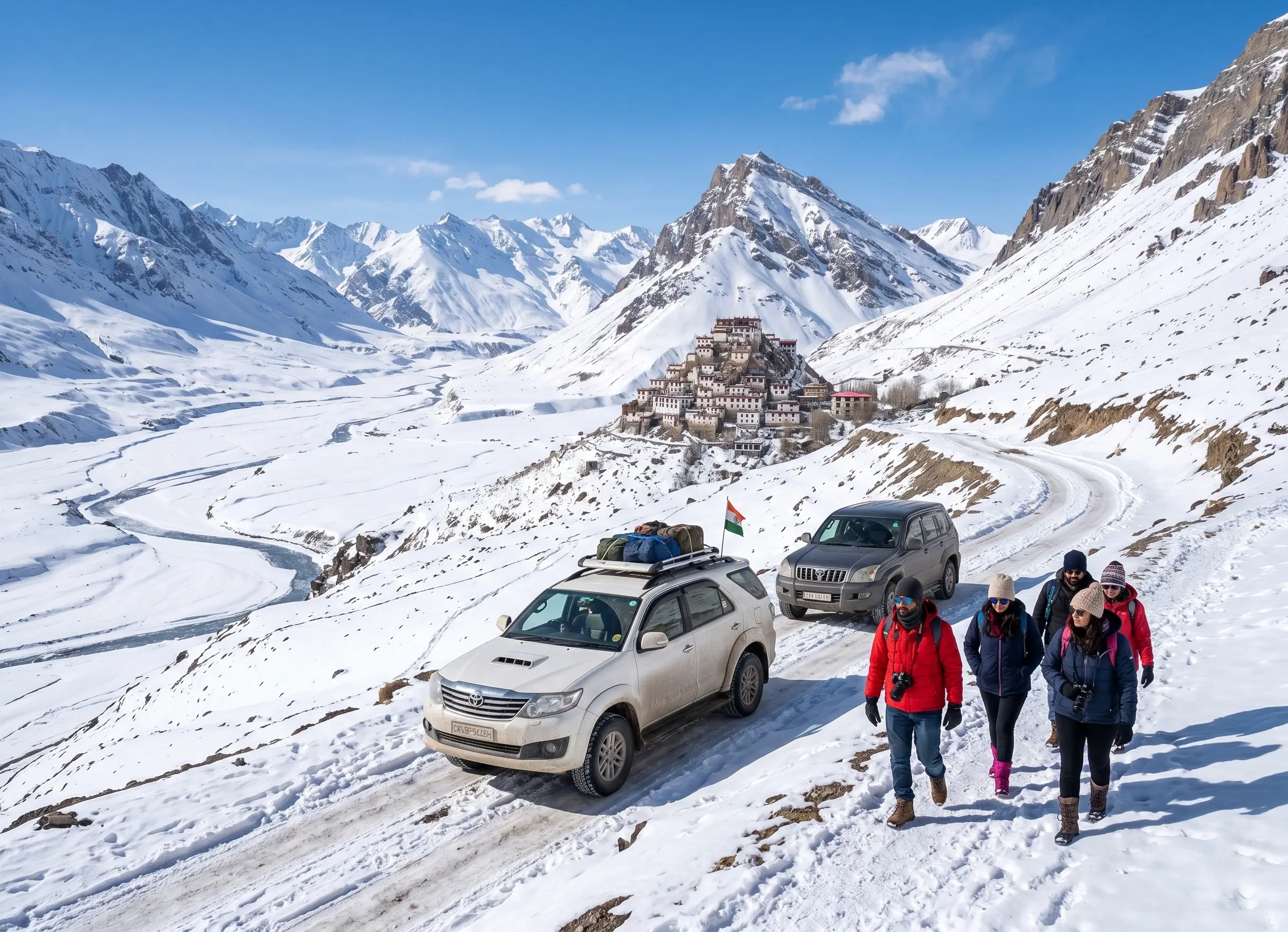
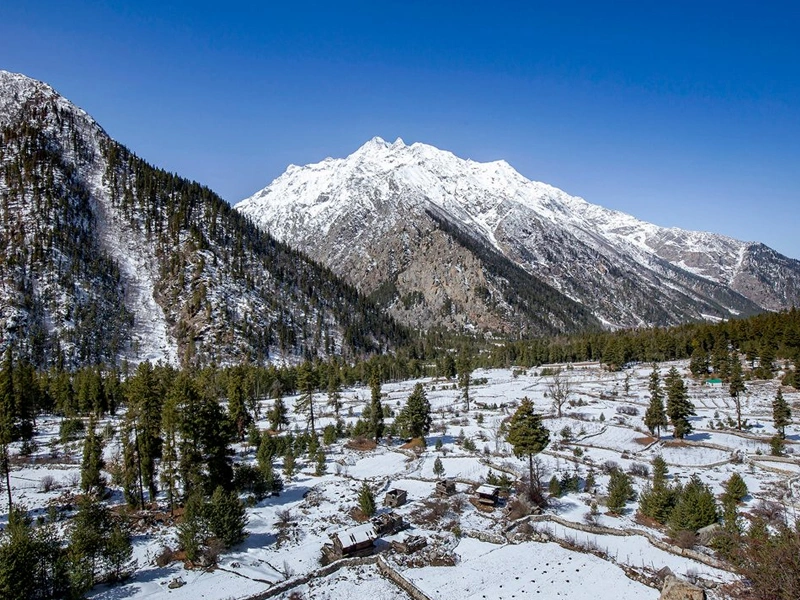
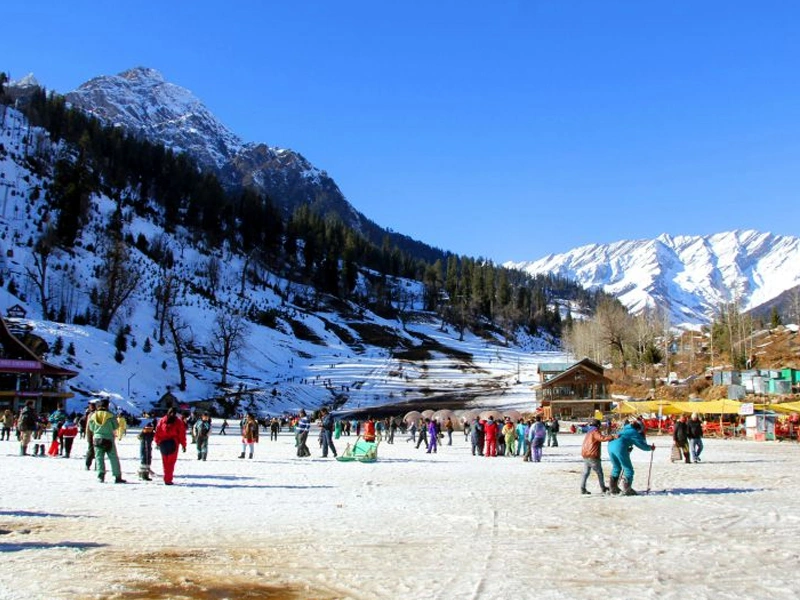
A Spiti winter tour package is one of the most exclusive travel experiences in India. During winter, Spiti becomes a frozen high-altitude desert with snow-covered villages, silent monasteries, icy roads and extreme Himalayan landscapes. This journey is ideal for travellers who want something beyond mainstream tourism.

Winter Spiti is not about luxury in the conventional sense. It is about remoteness, resilience, raw beauty and rare access. Since the Manali-Kunzum route remains closed in winter, the journey usually operates through the Shimla–Kinnaur–Tabo–Kaza route. This makes route planning, acclimatization, vehicle choice and driver expertise extremely important.

Best For:

  • Adventure travellers
  • Snow lovers
  • Photographers
  • Experienced Himalayan travellers
  • Travellers looking for a rare winter expedition

2. Best Winter Spiti Group Tour Package 2026

The best winter Spiti group tour package 2026 is designed for travellers who want to experience snow-covered Spiti with the energy, safety and affordability of a fixed departure group. Group winter tours are ideal for solo travellers, friends and young explorers who want to share the journey with like-minded people.

Unlike a regular Spiti group tour, a winter group departure needs careful execution. The itinerary must allow gradual altitude gain, the vehicle must be suitable for snow and rough roads, and the operations team must understand winter conditions in Kinnaur and Spiti. GHAS positions this product as a fixed departure winter expedition with high buyer intent for 2026 winter searches.

Best For:

  • Solo travellers
  • Budget adventure travellers
  • Young explorers
  • Winter photography enthusiasts
  • Travellers looking for fixed departures

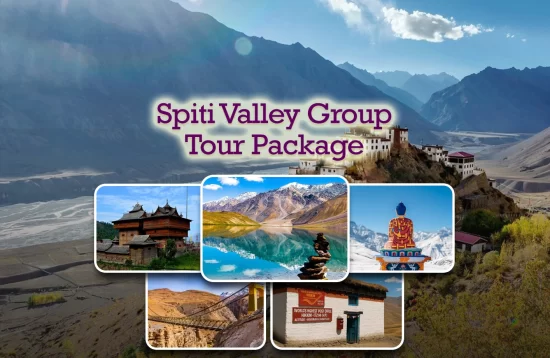
3. Spiti Valley Group Tour Package from Chandigarh

A Spiti Valley group tour package from Chandigarh is one of the most practical ways to explore Spiti for travellers from North India. Chandigarh works as a strong starting point because it reduces road fatigue compared to Delhi and gives faster access to Shimla, Narkanda, Kinnaur and the Spiti circuit.

This tour is ideal for travellers who want a structured itinerary, fixed departure pricing, shared transport, planned stays and a social road-trip experience. A well-designed group Spiti tour usually covers Shimla or Narkanda, Sangla, Kalpa, Tabo, Kaza, Key Monastery, Kibber, Langza, Hikkim, Komik, Chandratal and Manali depending on season and route conditions.

Best For:

  • Solo travellers
  • Friends and small groups
  • Budget-conscious travellers
  • First-time Spiti visitors
  • Travellers starting from Chandigarh, Punjab, Haryana or Delhi NCR

4. Private Spiti Valley Tour 4×4 Expedition with Chandratal

A private Spiti Valley tour 4×4 expedition with Chandratal is designed for travellers who want flexibility, comfort and a more controlled Himalayan experience. This is one of the best formats for families, couples, international travellers, senior-friendly private groups and guests who do not want to follow fixed group departure schedules.

The private 4×4 Spiti expedition allows better pacing, better acclimatization, customized sightseeing, upgraded stays, flexible photography stops and personal attention. The inclusion of Chandratal Lake makes this journey especially powerful during the summer and autumn season, when the full circuit through Manali, Kunzum Pass and Chandratal is open.

Best For:

    • Families
    • Couples
    • Luxury travellers
    • International travellers
    • Private small groups
    • Photographers needing flexible stops

5. Spiti Shipki La 4×4 Private Tour – Trans-Himalayan Frontier Journey

The Spiti Shipki La 4×4 private tour is built for serious explorers who want to go beyond the regular Spiti circuit. Shipki La and the frontier landscapes of Kinnaur-Spiti represent a rare Trans-Himalayan experience involving remote roads, high-altitude terrain and lesser-explored cultural geography.

This expedition is not for travellers looking for a standard Spiti holiday. It is designed for repeat Himalayan travellers, overland explorers, photographers, adventure families and guests who want to experience Spiti as a frontier journey. Route access, permits and ground conditions may vary, so this tour requires expert planning and real-time operational support.

Best For:

    • Repeat Spiti travellers
    • Serious explorers
    • 4×4 expedition lovers
    • Photography groups
    • Travellers interested in frontier Himalayan routes

Best Spiti Valley Itinerary - Classic 10 Nights / 11 Days Full Circuit

The classic Spiti Valley itinerary is ideal for first-time travellers who want to experience both Kinnaur and Spiti without rushing. This route allows gradual altitude gain, which is extremely important for comfort and safety. The itinerary normally starts from Delhi or Chandigarh, enters through Shimla and Kinnaur, reaches Kaza, explores high-altitude villages, continues to Chandratal and exits through Manali.

Day 1: Delhi / Chandigarh to Shimla or Narkanda

Your Spiti Valley tour begins with a scenic drive from Delhi or Chandigarh towards Shimla or Narkanda. This first day is designed as a gradual Himalayan entry rather than a rushed mountain drive. As the plains give way to pine forests, colonial hill architecture and winding mountain roads, travellers begin adjusting to the rhythm of the Himalayas. Overnight stay in Shimla or Narkanda helps prepare the body for the higher terrain ahead.

Day 2: Shimla / Narkanda to Sangla

The journey continues through Rampur, Jeori and the dramatic roads of Kinnaur towards Sangla Valley. This is one of the most beautiful transition days of the Spiti tour, where green forests, apple orchards, river valleys and cliffside roads begin to reveal the scale of the Trans-Himalayan route. Sangla offers a peaceful halt in the Baspa Valley and acts as a scenic acclimatization stop before Kalpa and Spiti.

Day 3: Sangla to Chitkul and Kalpa

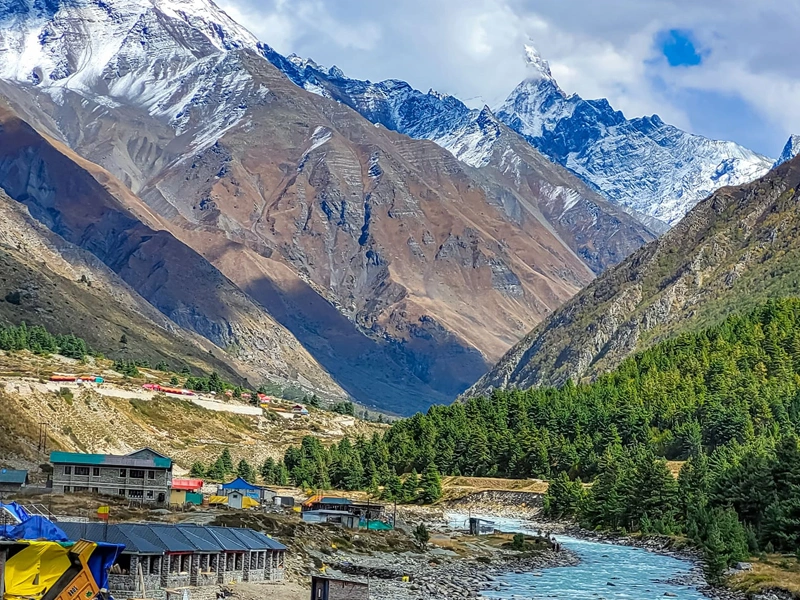
After breakfast, visit Chitkul, popularly known as the last inhabited village near the Indo-Tibetan border on this side of Himachal. The Baspa River, wooden houses, village fields and snow peaks make Chitkul one of the most photogenic stops on the Spiti circuit. Later, drive towards Kalpa, a beautiful Kinnaur village facing the majestic Kinner Kailash range. Overnight stay in Kalpa gives travellers stunning mountain views and better altitude adaptation.

Day 4: Kalpa to Tabo via Nako

This is the day when the journey truly shifts from green Himachal to the cold desert character of Spiti. Drive from Kalpa towards Nako, passing dramatic mountain roads, river confluences and dry Himalayan landscapes. Nako Lake and the village surroundings offer a peaceful break before continuing towards Tabo. Tabo is home to one of the most important ancient monasteries in the Himalayan Buddhist world.

Day 5: Tabo to Kaza via Dhankar

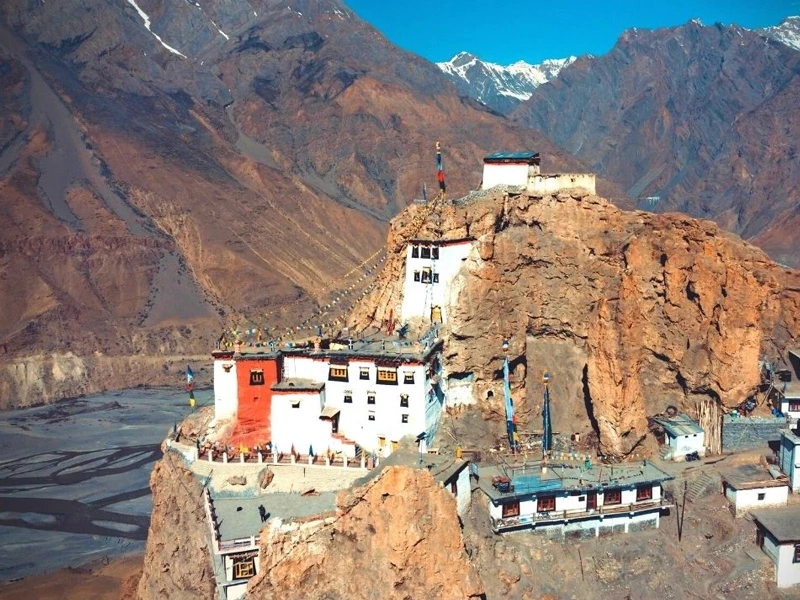
Begin the day with a visit to Tabo Monastery before driving towards Dhankar, a spectacular monastery settlement located above the confluence of the Spiti and Pin rivers. The setting of Dhankar feels almost unreal, with mud-coloured cliffs, ancient structures and wide valley views. Continue to Kaza, the main town and operational base of Spiti Valley. The evening can be kept relaxed for acclimatization.

Day 6: Kaza Local – Key Monastery, Kibber and Chicham Bridge

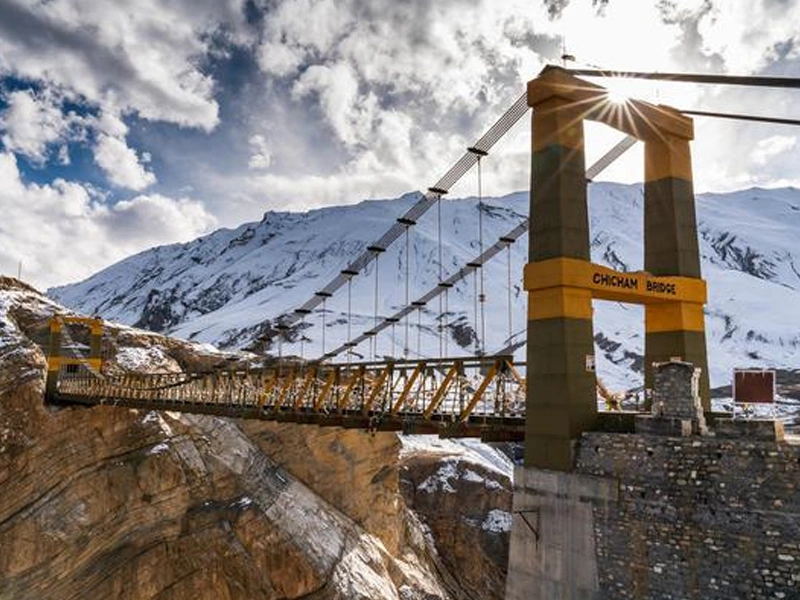
This day covers some of the most iconic places in Spiti Valley. Visit Key Monastery, the largest and most visually striking monastery in the region. Continue to Kibber, a high-altitude village known for wildlife, landscapes and traditional life. Later, visit Chicham Bridge, one of the highest bridges in Asia and a major attraction on the Spiti circuit. Return to Kaza for overnight stay.

Day 7: Kaza to Langza, Hikkim and Komik

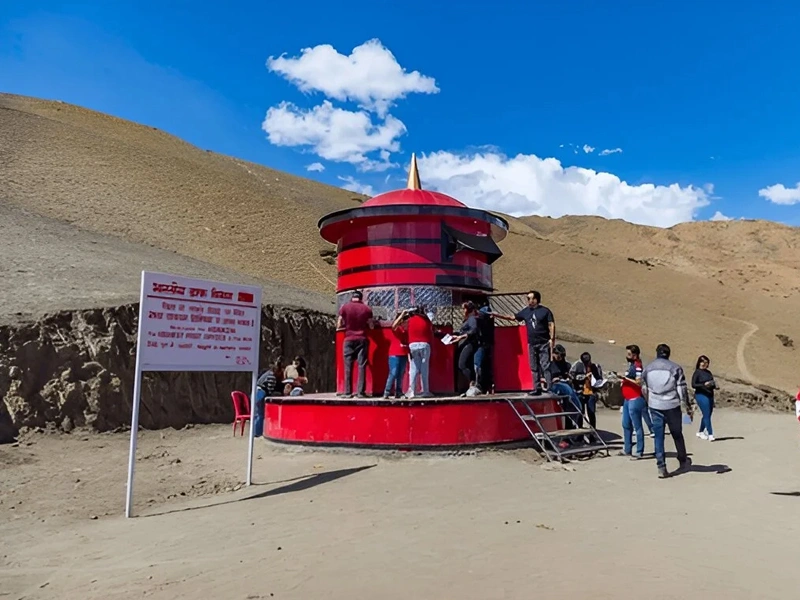
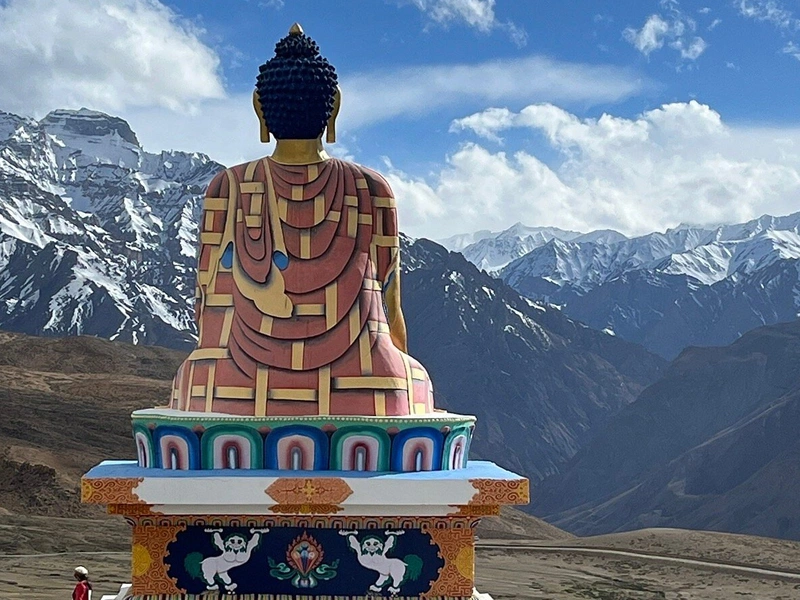
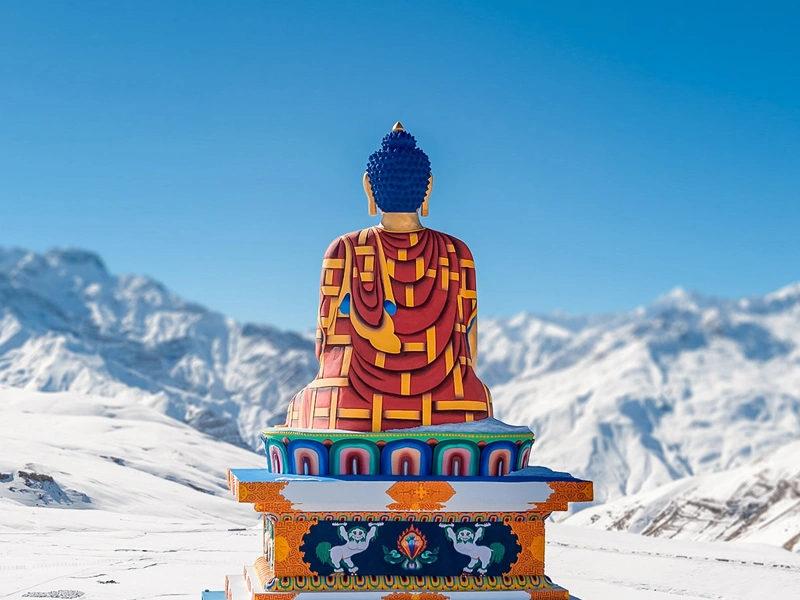
Explore the high-altitude village circuit of Langza, Hikkim and Komik. Langza is known for fossils, mountain views and the grand Buddha statue overlooking the valley. Hikkim is famous for its high-altitude post office, while Komik is among the highest motorable villages in the world. This day is one of the most memorable parts of any Spiti Valley tour package because it combines culture, geography and rare Himalayan village life.

Day 8: Kaza to Chandratal Lake

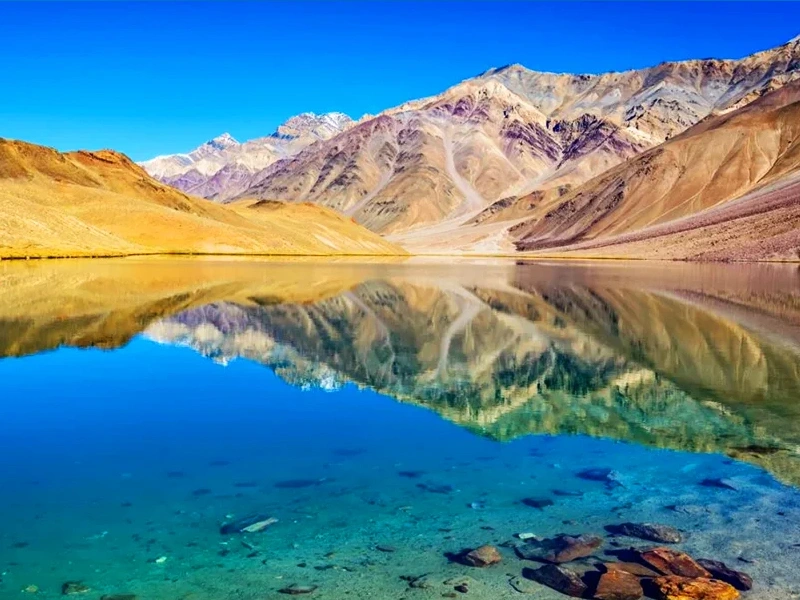
Drive from Kaza towards Chandratal via Losar and Kunzum Pass, depending on seasonal road access. Chandratal, also called the Moon Lake, is one of the most beautiful high-altitude lakes in Himachal Pradesh. The lake is known for its blue waters, mountain reflections, open meadows and night sky views. Overnight stay is usually arranged in seasonal camps near Chandratal during the accessible months.

Day 9: Chandratal to Manali

The route from Chandratal to Manali is one of the most adventurous sections of the Spiti full circuit. Drive through Batal, Chhatru and the rugged approach towards the Manali side. Depending on road conditions, this day can be long and challenging, but it offers an unforgettable high-altitude road journey. Reach Manali by evening and relax after completing the core Spiti expedition circuit.

Day 10: Manali Local Relaxation / Buffer Day

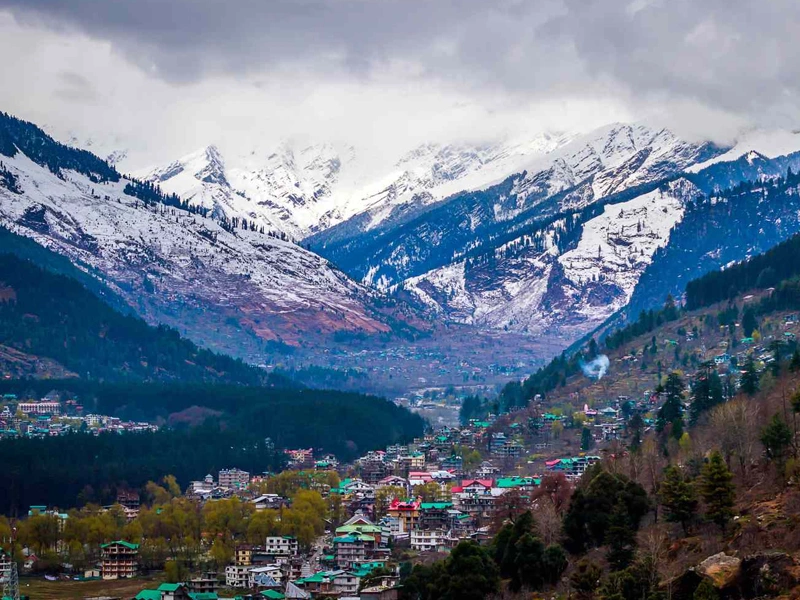
A buffer day in Manali is highly recommended after a full Spiti circuit. Travellers can rest, enjoy local sightseeing, explore cafes, visit Hadimba Temple, Vashisht, Old Manali or simply recover after several days of high-altitude travel. This day also protects the itinerary from delays caused by weather, roadblocks or high-pass conditions around Kunzum and Chandratal.

Day 11: Manali to Delhi / Chandigarh Departure

After breakfast, begin the return journey to Delhi or Chandigarh. The expedition ends with memories of Kinnaur valleys, Spiti monasteries, high-altitude villages, Chandratal Lake, mountain passes and one of the most powerful road trips in the Indian Himalayas.

Best Time to Visit Spiti Valley

Summer Spiti Tour – May to June

Summer is one of the most popular seasons for a Spiti Valley tour package. The weather begins to improve, roads start opening and travellers can experience the classic Himalayan landscape with better accessibility. This is a good season for first-time travellers, families, group tours and private SUV journeys. However, Chandratal and Kunzum access depends on snow clearance and road opening status.

Monsoon Spiti Tour – July to September

Spiti itself lies in a rain-shadow region, but access routes through Kinnaur and Manali can be affected by landslides and weather disruptions. This season offers dramatic landscapes, strong colours and good road-trip energy, but route monitoring is important. Travellers should choose experienced operators and keep buffer time in the itinerary.

Autumn Spiti Tour – September to October

Autumn is one of the finest seasons for Spiti. The skies are clearer, landscapes turn golden, crowds reduce and photography conditions are excellent. This is a strong season for private Spiti 4×4 tours, Chandratal expeditions, luxury Spiti tours and family journeys.

Winter Spiti Tour – November to March

Winter transforms Spiti into a snow desert. The Manali-Kunzum route remains closed, so winter tours operate via Kinnaur. This is the best season for travellers searching for snow-covered Spiti, frozen landscapes, extreme photography and remote Himalayan isolation. Winter Spiti requires proper planning, warm stays, experienced drivers and realistic expectations.

Top Places to Visit in Spiti Valley

Key Monastery

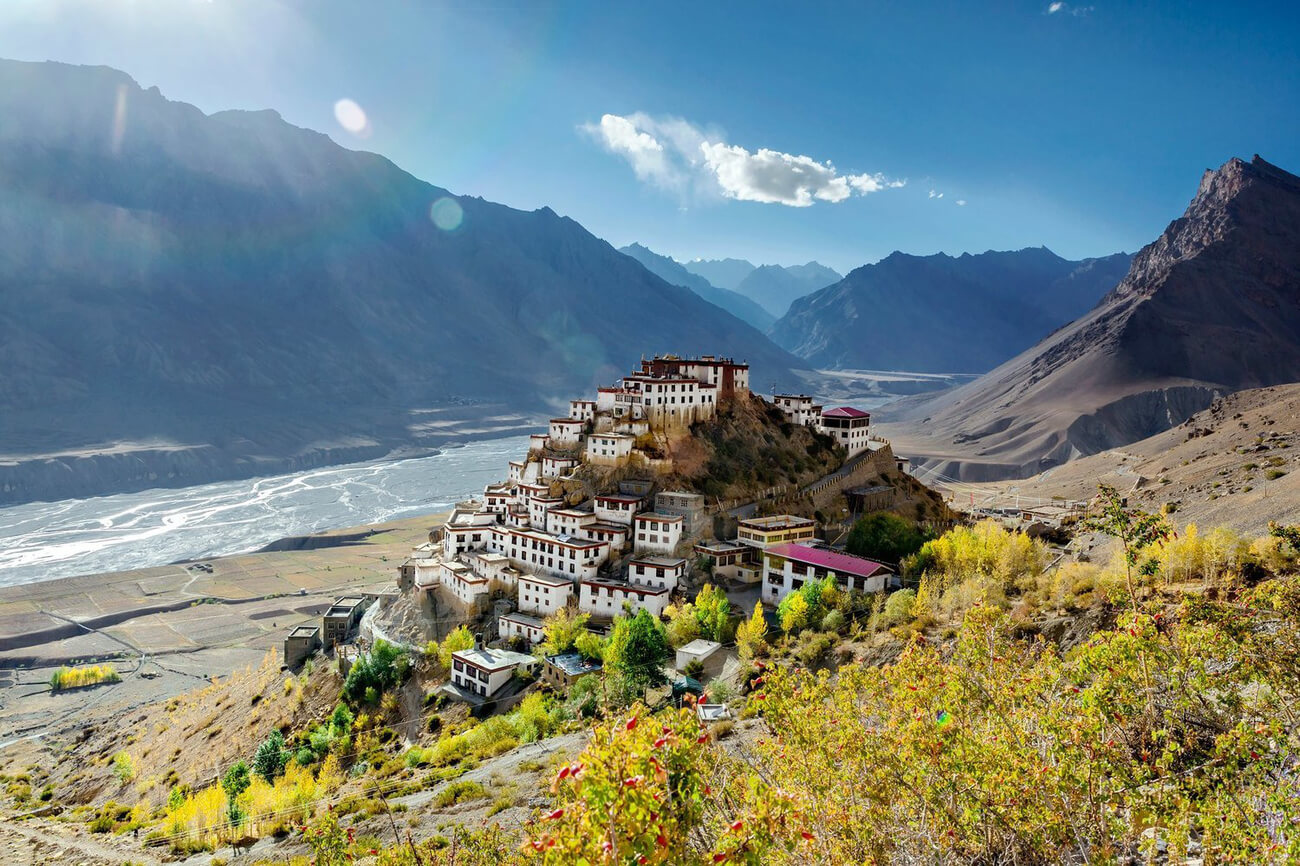
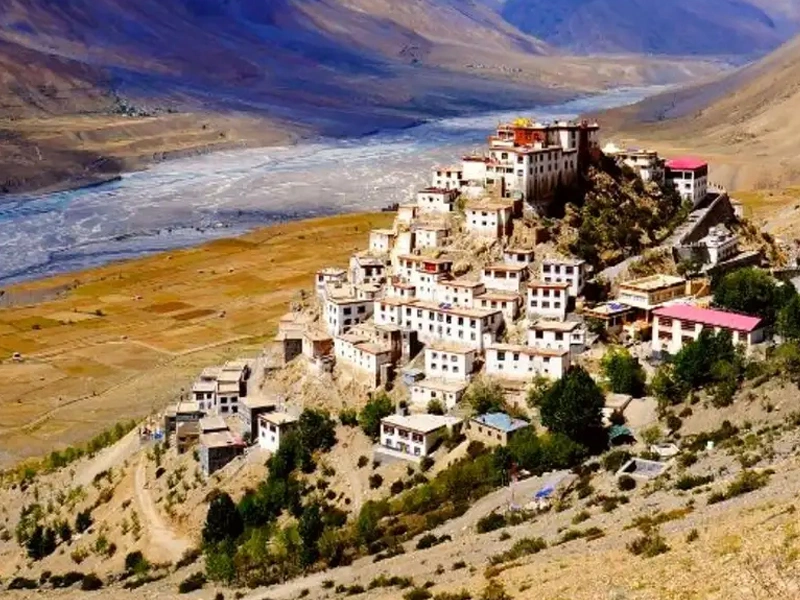
Key Monastery is one of the most iconic landmarks in Spiti Valley. Located above Kaza, it offers panoramic views of the valley and represents the spiritual heart of the region. Its whitewashed structures, prayer halls, monks, murals and mountain setting make it a must-visit in every Spiti Valley itinerary.

Chandratal Lake

Chandratal Lake is one of the most beautiful high-altitude lakes in Himachal Pradesh. Known as the Moon Lake, it is famous for its changing colours, open meadows, mountain reflections and surreal camping experience. It is usually included in summer and autumn Spiti tours, subject to road and weather conditions.

Tabo Monastery

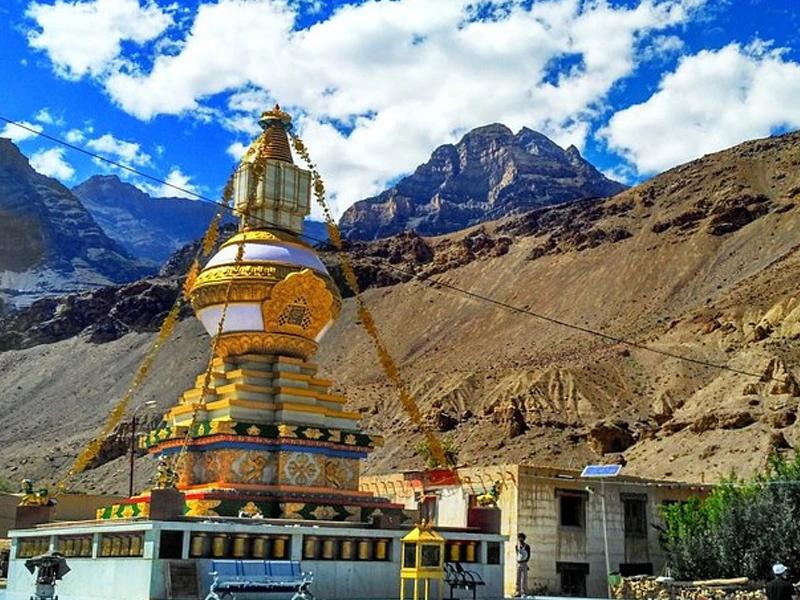
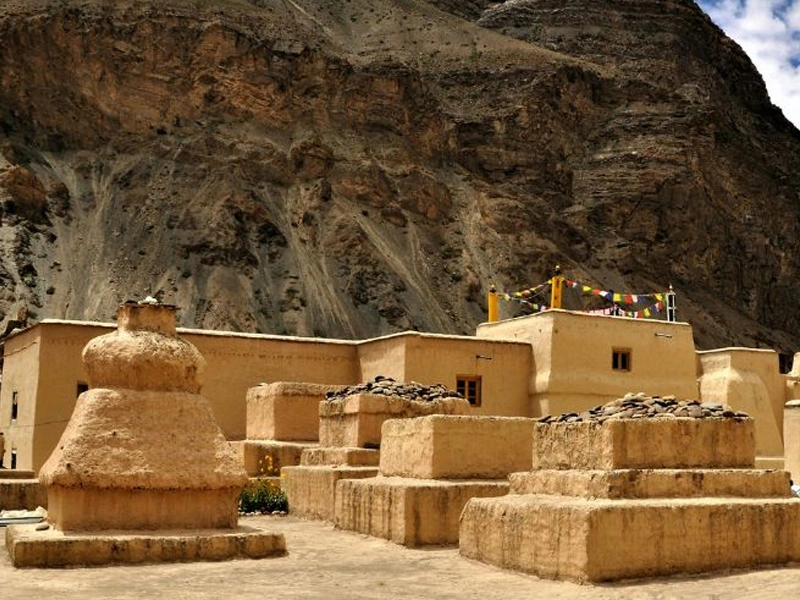
Tabo Monastery is one of the most important cultural and spiritual sites in Spiti. Its ancient mud structures, murals and Buddhist heritage make it a key stop for travellers interested in history, spirituality and Himalayan culture.

Dhankar Monastery

Dhankar Monastery is dramatically located on a cliff above the confluence of the Spiti and Pin rivers. The setting is one of the most powerful visual experiences in Spiti Valley and adds strong cultural depth to the itinerary.

Langza

Langza is known for fossils, high-altitude village life and the large Buddha statue overlooking the valley. It is one of the best places for photography, village walks and understanding Spiti’s geological history.

Hikkim

Hikkim is famous for its high-altitude post office. Travellers often send postcards from here as a memorable part of their Spiti tour experience.

Komik

Komik is among the highest motorable villages in the world and gives travellers a rare glimpse into life in extreme Himalayan conditions.

Kibber

Kibber is a high-altitude village known for landscapes, wildlife possibilities and access towards Chicham Bridge. It is an important stop on the Kaza local sightseeing circuit.

Pin Valley

Pin Valley offers a different side of Spiti with remote villages, wildlife landscapes, Buddhist culture and beautiful valley views. It is ideal for travellers who want a deeper, slower Spiti experience.

Spiti Travel Safety and Altitude Guide

A Spiti Valley tour is not a casual hill-station trip. Most key destinations are located between 10,000 ft and 15,000 ft. Travellers may experience lower oxygen levels, cold temperatures, rough roads and long driving days. A safe Spiti itinerary should never rush directly to very high altitudes without acclimatization.

GHAS Safety Advantage

  • Acclimatization-focused route planning
  • Experienced Himalayan drivers
  • Own fleet and vehicle control
  • Ground-level Himachal expertise
  • Flexible routing based on weather and road conditions
  • Private and group options based on traveller profile

Important Travel Tips

  • Avoid alcohol during early high-altitude days.
  • Drink enough water throughout the journey.
  • Carry personal medicines and consult your doctor if you have medical concerns.
  • Keep warm layers even during summer.
  • Expect limited mobile network in remote sections.
  • Keep buffer time for weather and road conditions.

Why Book Your Spiti Valley Tour with GHAS?

GHAS is not just a tour seller. We are a Himalayan-based experiential Destination Management Company with strong ground control, adventure expertise and deep operating knowledge across Himachal Pradesh. Our Spiti tours are designed for real-world mountain conditions, not just brochure itineraries.

What Makes GHAS Different?

  • Multi award-winning Himalayan DMC: Strong regional expertise and destination-building approach.
  • Own fleet: Sedans, SUVs, Urbania vans and 4×4 vehicles for better quality control.
  • 4×4 expedition capability: Suitable for winter Spiti, Shipki La, Chandratal and remote routes.
  • Experiential travel focus: Not just sightseeing, but culture, landscapes, roads, people and stories.
  • Safety-led planning: acclimatization, realistic routing and mountain-aware execution.
  • Custom and fixed departures: group tours, private tours, luxury tours and special expeditions.

Who Should Book a Spiti Tour?

Adventure Seekers

Spiti is perfect for travellers who love rugged roads, high-altitude landscapes, remote villages and expedition-style travel.

Solo Travellers

Fixed departure Spiti group tours are ideal for solo travellers looking for safety, affordability and shared experiences.

Families and Couples

Private Spiti Valley tours with SUV or 4×4 vehicles offer better comfort, flexibility and pacing for families and couples.

Photographers

Spiti offers monasteries, night skies, mountain deserts, snow landscapes, villages, portraits and dramatic road scenes.

Luxury Travellers

Luxury Spiti tours are best for guests who want private vehicles, better stays, curated experiences and slower itineraries.

Corporate and Special Interest Groups

Spiti works beautifully for leadership journeys, photography expeditions, incentive travel and premium offbeat Himalayan experiences.

Some of our best Spiti Packages

Frequently Asked Questions About Spiti Valley Tour Packages

The best Spiti Valley tour package depends on your travel style. Group tours are ideal for budget and solo travellers, private 4x4 tours are best for families and couples, winter tours are ideal for snow lovers, and Shipki La expeditions suit serious explorers.

A complete Spiti Valley tour usually requires 8 to 11 days. A shorter itinerary may cover only selected places, while a full circuit with Kinnaur, Kaza, Chandratal and Manali is best planned over 10 to 11 days.

The best time depends on the experience you want. May to October is ideal for the full Spiti circuit and Chandratal, while November to March is best for winter Spiti tours and snow-covered landscapes.

Yes, Spiti can be safe for beginners if the itinerary is properly planned with gradual acclimatization, reliable vehicles, experienced drivers and realistic travel hours.

No. Chandratal is usually included only in summer and autumn itineraries when the road via Kunzum Pass is open. It is not normally part of winter Spiti tours.

SUVs and 4x4 vehicles are best for Spiti, especially for private expeditions, Chandratal routes, winter journeys and remote roads. Group tours may use tempo travellers, SUVs or mixed transport depending on group size.

Chandigarh is a more convenient starting point because it reduces road travel compared to Delhi. However, Delhi remains popular for fixed departures and travellers flying into North India.

The cost depends on season, number of days, vehicle type, accommodation level, group size and inclusions. Group tours are more economical, while private 4x4 and luxury Spiti tours cost more due to exclusive services.

Yes, families can travel to Spiti with a well-paced private itinerary. Families should avoid rushed routes and should choose comfortable vehicles, good stays and acclimatization-friendly planning.

No. Winter Spiti is best for adventure travellers, photographers and guests who understand cold weather and remote conditions. It requires warm clothing, flexible expectations and experienced operators.

Mobile network is limited in many parts of Spiti. Kaza may have some connectivity, but remote villages, high passes and road sections often have poor or no network.

Yes, but luxury in Spiti means curated comfort, private vehicles, better stays, flexible pacing and premium planning rather than five-star infrastructure everywhere.

The Shimla-Kinnaur route is better for gradual acclimatization. The Manali route is faster but involves quicker altitude gain and is usually used as an exit in full-circuit itineraries.

Yes, Spiti is accessible in winter through the Kinnaur route. The Manali-Kunzum route remains closed, so winter itineraries are planned via Shimla, Rampur, Kalpa, Tabo and Kaza.

Top experiences include Key Monastery, Chandratal Lake, Langza fossils, Hikkim post office, Komik village, Dhankar Monastery, Tabo Monastery, Kinnaur-Spiti roads and high-altitude village life.

Yes, Spiti is one of India’s best photography destinations, offering cold desert landscapes, monasteries, portraits, night skies, snow scenes, dramatic roads and high-altitude villages.

Private Spiti tours can be customized based on travel dates, comfort level, vehicle preference, photography interests and route conditions. Group tours usually follow fixed itineraries.

Indian travellers usually do not need permits for the standard Spiti circuit, but some frontier routes may require permissions. Foreign nationals may require permits for certain restricted areas.

Carry layered warm clothing, sunglasses, sunscreen, personal medicines, water bottle, power bank, comfortable shoes, basic snacks, ID proof and any altitude-related medicines recommended by your doctor.

GHAS offers local Himachal expertise, own fleet support, 4x4 expedition capability, curated itineraries, safety-led planning and premium experiential travel design for Spiti Valley tours.

Plan Your Spiti Valley Tour with GHAS

Whether you want a Spiti group tour package, a Spiti winter expedition, a private Spiti Valley 4×4 tour, a luxury Spiti itinerary or a rare Shipki La Trans-Himalayan journey, GHAS can help you choose the right route, season, vehicle and experience level.

Talk to a Spiti expert today and get a custom itinerary for your travel dates. Call now: +91-9015 181 125