


Spiti Winter Travel Guide 2026: The Ultimate Luxury, Adventure & High-Altitude Frontier Expedition Handbook
Spiti Winter Travel Guide 2026
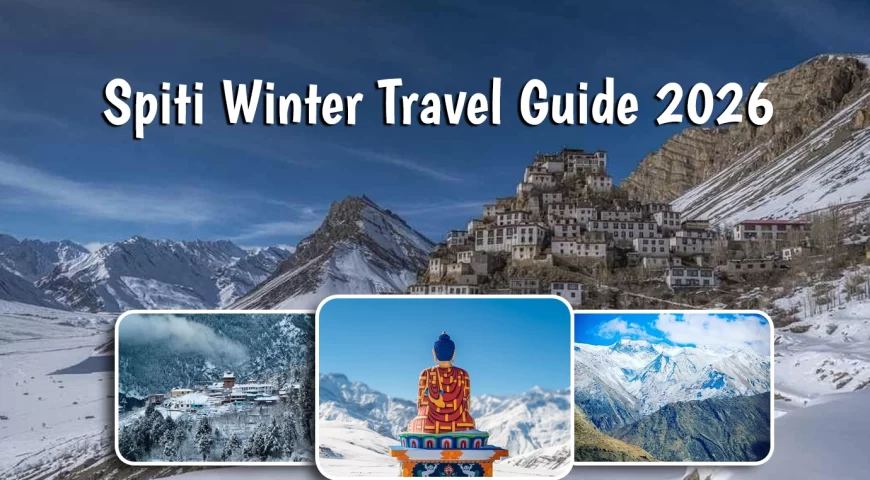
When winter descends upon the Himalayas, few destinations transform as dramatically as the majestic Spiti Valley. Known as India’s Cold Desert, Spiti becomes an untouched wonderland of frozen rivers, snow-covered monasteries, dramatic canyons, and isolated villages that seem suspended in time.
For travellers seeking a Spiti winter tour, a Luxury Spiti Valley tour, or a Private Spiti 4×4 expedition, winter offers an experience unlike any other destination in India. Temperatures plunge below -25°C, roads disappear beneath snow, and ancient Buddhist communities continue life much as they have for centuries.
This comprehensive guide explores everything you need to know about planning a Spiti tour package, understanding winter conditions, choosing the right operator, experiencing the legendary Spiti Shipki La Expedition, and discovering why Spiti remains one of the world’s last truly authentic high-altitude frontiers.
Understanding Spiti Valley: India’s High Altitude Frontier
Spiti Valley sits between Tibet and the Greater Himalayas at elevations ranging from 10,500 ft to over 15,500 ft. The region forms part of the ancient Trans-Himalayan landscape and is often referred to as the “Middle Land” because it lies between India and Tibet.
Unlike many Himalayan destinations, Spiti receives very little rainfall due to its rain-shadow geography. Instead, it offers:
- Dramatic barren mountains
- Frozen rivers
- Ancient monasteries
- High altitude villages
- Tibetan Buddhist culture
- Remote frontier settlements
- Spectacular winter landscapes
A true Trans Himalayan Spiti Tour is not simply a holiday—it is an expedition into one of Asia’s most remarkable mountain environments.
Why Winter is the Best Time to Experience Spiti
Most travellers visit during summer. Very few witness the valley’s most authentic season.
Winter reveals:
Complete Isolation – Many villages become accessible only through experienced local drivers and specialized 4×4 vehicles.
Frozen Landscapes – The Spiti River partially freezes, waterfalls become ice sculptures, and entire valleys transform into white wilderness.
Authentic Local Culture – Winter is when traditional life truly unfolds. Families gather indoors, monasteries host ceremonies, and centuries-old traditions remain visible.
Exceptional Photography – Winter light in Spiti is considered among the finest in the Himalayas.
Zero Tourist Crowds – Unlike summer, winter offers genuine solitude.
For those seeking a Premium Spiti Travel Experience, winter provides exclusivity impossible to find during peak season.
Luxury Spiti Tour Package: The New Face of Himalayan Exploration
Luxury in Spiti is not about five-star hotels.
Luxury in Spiti means:
- Expert expedition planning
- Premium 4×4 vehicles
- Highly trained mountain drivers
- Handpicked boutique stays
- Heated accommodations
- Oxygen support systems
- Personalized experiences
- Flexible itineraries
- Superior safety protocols
A professionally curated Luxury Spiti Tour Package focuses on comfort while preserving authenticity.
Key luxury inclusions often include:
- Private Force Gurkha 4×4
- Luxury boutique stays
- Premium meals
- Acclimatization support
- Local expert guides
- Satellite communication support
- Oxygen cylinders
- Emergency evacuation planning
The Rise of Private Spiti Valley Tours
Discerning travellers increasingly prefer a Private Spiti Valley Tour over large group departures.
Advantages include:
Flexible Pace – Spend more time where conditions are exceptional.
Personalized Photography Stops – Winter landscapes change hourly.
Better Acclimatization – Every traveller adapts differently.
Enhanced Comfort – No fixed group schedules.
Premium Service – Dedicated vehicle, driver, and support.
For families, photographers, senior travellers, and international guests, a Private Spiti 4×4 Expedition offers the safest and most rewarding way to explore.
Spiti 4×4 Expedition: Why Specialized Vehicles Matter
Winter Spiti cannot be approached like a regular hill station holiday.
The terrain includes:
- Black ice
- Snow-covered roads
- River crossings
- Remote mountain passes
- Frozen surfaces
Professional operators use:
- Force Gurkha 4×4
- Modified expedition vehicles
- Snow chains
- Recovery equipment
- Communication systems
A proper Spiti 4×4 Expedition ensures travellers can access remote villages while maintaining safety.
Complete Spiti Valley Itinerary for Winter 2026
Day 1: Chandigarh – Narkanda
Begin gradual ascent through Shimla and Narkanda.
Day 2: Narkanda – Sangla
Enter Kinnaur Valley.
Day 3: Sangla – Kalpa
Explore Kalpa and Kinner Kailash views.
Day 4: Kalpa – Nako – Tabo
Transition into Spiti’s high-altitude desert.
Day 5: Tabo – Dhankar – Kaza
Reach Spiti’s capital.
Day 6: Kaza Exploration
Visit:
- Key Monastery
- Kibber
- Chicham Bridge
- Langza
- Hikkim
- Komic
Day 7: Kaza Winter Experience
Village interactions and monastery visits.
Day 8: Kaza – Tabo
Day 9: Tabo – Kalpa
Day 10: Kalpa – Shimla
Day 11: Shimla – Chandigarh
This remains one of the most balanced Spiti Group Trip Itineraries available.
The Legendary Spiti Shipki La Expedition
Among all Himalayan journeys, the Spiti Shipki La Expedition stands apart.
Shipki La is one of India’s most strategic frontier regions, situated near the Indo-Tibetan border.
Historically, this route connected:
- Ancient traders
- Buddhist pilgrims
- Himalayan communities
A modern High Altitude Frontier Spiti Expedition via Shipki La offers:
Khab Confluence – Where the Spiti and Sutlej rivers meet.
Pooh – Ancient Kinnauri settlement.
Namgia – India’s last inhabited village before Tibet.
Shipki La Frontier Region – An extraordinary geopolitical and geographical landscape.
Unique Cultural Encounters – Traditional Kinnauri and Tibetan influences coexist here.
The route represents the ultimate Trans Himalayan Spiti Tour and is increasingly sought by serious explorers.
Why You Must Choose an Experienced Spiti Operator
Spiti is not a destination where experience can be compromised.
An experienced operator provides:
High Altitude Expertise – Altitude sickness remains a serious concern.
Local Network – Access to current road conditions.
Winter Logistics – Accommodation availability changes daily.
Emergency Management – Rapid decision-making can be lifesaving.
Vehicle Reliability – Breakdowns in remote valleys can become major challenges.
Weather Intelligence – Experienced teams constantly monitor changing conditions.
Acclimatization Planning – Critical for guest safety.
When selecting a Luxury Spiti Valley Tour, the operator is more important than the itinerary itself.
Winter Spiti Survival Guide 2026
A successful Spiti Winter Tour depends on preparation.
Clothing Strategy
Layering is essential.
Recommended:
- Thermal base layers
- Fleece mid-layers
- Down jacket
- Waterproof outer shell
- Insulated gloves
- Wool socks
- Balaclava
Hydration
Cold weather masks dehydration. Drink 3-4 litres daily.
Altitude Management
Never ascend rapidly. Proper acclimatization remains critical.
Battery Management
Cold temperatures drain electronics quickly.
Carry:
- Power banks
- Spare batteries
- Solar backup chargers
Medication
Consult a doctor regarding altitude medication.
Travel Insurance
Strongly recommended.
Emergency Supplies
Always carry:
- Snacks
- Water
- Flashlight
- Personal medicines
Top Winter Experiences in Spiti Valley
Key Monastery at Sunrise – The iconic monastery overlooking the valley becomes magical after fresh snowfall.
Chicham Bridge – Asia’s highest suspension bridge offers breathtaking winter views.
Hikkim Post Office – The world’s highest post office.
Langza Fossil Village – Ancient marine fossils and snow-covered Buddha statue.
Komic Village – Among the highest motorable villages on earth.
Traditional Homestays – Experience authentic Himalayan hospitality.
Best Spiti Group Tour Package for Winter 2026
A professionally designed Spiti Valley Group Tour Package offers:
- Cost sharing
- Expert leaders
- Like-minded travellers
- Enhanced safety
- Shared expedition experience
The Best Spiti Group Tour should maintain manageable group sizes while ensuring professional support.
Spiti Tour Package From Delhi
Most travellers prefer departures from Delhi due to excellent connectivity.
Typical route:
Delhi → Chandigarh → Shimla → Kinnaur → Spiti → Manali → Delhi
This route allows proper acclimatization and maximizes sightseeing opportunities.
A professionally curated Spiti Tour Package From Delhi remains the most popular choice among domestic and international travellers.
Sustainable Travel in Spiti
Responsible tourism is vital.
Travellers should:
- Avoid plastic waste
- Support local businesses
- Respect monasteries
- Conserve water
- Follow local customs
Spiti’s fragile ecosystem requires thoughtful travel practices.
Final Thoughts
A Luxury Spiti Tour Package, Private Spiti Valley Tour, or Spiti Shipki La Expedition is far more than a mountain holiday. It is a journey through ancient cultures, frontier landscapes, and some of the world’s most spectacular high-altitude scenery.
Whether you choose a Spiti Valley Group Tour Package, a Private Spiti 4×4 Expedition, or an exclusive Luxury Spiti Valley Tour, winter 2026 promises unforgettable adventures in India’s last great Himalayan wilderness.
For travellers seeking authenticity, exclusivity, and extraordinary landscapes, there is simply no destination quite like Spiti.
FAQs
1. Is Spiti Valley safe to visit in winter?
Yes, Spiti Valley is safe during winter when explored with a professional and experienced operator. Winter conditions can be challenging due to snow, black ice, sub-zero temperatures, and occasional road closures. Safety depends heavily on proper acclimatization, experienced mountain drivers, reliable 4×4 vehicles, and carefully planned itineraries. Reputed operators continuously monitor weather conditions, road updates, and medical support availability. Travellers should avoid self-driving unless they possess extensive Himalayan winter driving experience. Choosing a structured Spiti winter tour significantly reduces risks and enhances overall comfort and safety throughout the expedition.
2. What is the best month for a Spiti winter tour?
January and February offer the most dramatic winter landscapes with frozen rivers, heavy snowfall, and authentic village life. December is ideal for travellers seeking winter conditions with slightly easier access. March often provides a balance between snow-covered scenery and improved road conditions. Each month offers a unique perspective of the valley. Photographers often prefer January due to pristine snow conditions, while first-time visitors may find February and March slightly more comfortable while still experiencing the essence of a winter Spiti expedition.
3. How cold does Spiti get in winter?
Winter temperatures in Spiti frequently range from -5°C to -25°C depending on altitude and weather patterns. Villages such as Kaza, Kibber, Langza, and Komic can experience extremely cold nights, especially during January and February. Wind chill often makes conditions feel even colder. Proper winter clothing, insulated footwear, quality gloves, and layered clothing are essential. Travellers should prepare for extreme cold while understanding that dry Himalayan weather often feels more manageable than damp winter climates experienced elsewhere.
4. Is altitude sickness common in Spiti?
Altitude sickness can affect anyone regardless of age or fitness level. Since most of Spiti lies above 10,000 feet, proper acclimatization is crucial. Symptoms may include headaches, fatigue, nausea, dizziness, and breathlessness. A well-designed Spiti Valley itinerary gradually increases elevation and includes acclimatization stops in locations such as Narkanda, Sangla, and Kalpa. Staying hydrated, avoiding alcohol initially, resting adequately, and listening to experienced guides are essential measures that help reduce altitude-related complications.
5. Why choose a luxury Spiti tour package?
A luxury Spiti tour package focuses on safety, comfort, and personalized experiences rather than traditional luxury amenities. Benefits include premium 4×4 vehicles, boutique stays, smaller groups, experienced drivers, emergency support, flexible itineraries, and curated local experiences. In a remote destination like Spiti, operational excellence significantly enhances travel quality. Luxury packages also provide better contingency planning, improved accommodation standards, and dedicated assistance that can make a substantial difference during winter travel.
6. What makes the Shipki La expedition special?
The Shipki La Expedition is among India’s most fascinating frontier journeys. It follows historic trade routes connecting India and Tibet and passes through strategically important regions of Kinnaur. Travellers experience unique landscapes, remote villages, ancient cultures, and dramatic Himalayan terrain. The expedition offers rare insights into frontier life while showcasing spectacular geography rarely explored by mainstream tourists. For serious explorers, Shipki La represents one of the most rewarding Trans Himalayan travel experiences available.
7. Should I choose a group tour or private expedition?
Both formats offer distinct advantages. A Spiti Valley group tour package provides cost efficiency, companionship, and shared experiences. Private Spiti Valley tours offer flexibility, personalized pacing, enhanced privacy, and customized itineraries. Families, photographers, honeymooners, and luxury travellers often prefer private expeditions, while solo travellers and adventure enthusiasts may enjoy group departures. The ideal choice depends on travel style, budget, and personal preferences.
8. What vehicle is best for winter Spiti travel?
A properly equipped 4×4 vehicle is strongly recommended during winter. Vehicles such as the Force Gurkha have become popular due to their reliability, ground clearance, and capability in snow-covered terrain. Professional expedition vehicles also carry recovery equipment, communication systems, and emergency supplies. Standard passenger vehicles may struggle in winter conditions, making specialized vehicles an essential component of a safe and comfortable Spiti winter expedition.
9. How many days are required for Spiti Valley?
A comprehensive Spiti Valley itinerary ideally requires 10 to 12 days. This duration allows gradual acclimatization, meaningful exploration, and contingency for changing weather conditions. Shorter trips often compromise safety and limit the overall experience. A well-paced itinerary covering Kinnaur, Tabo, Dhankar, Kaza, Kibber, Langza, Hikkim, and Komic offers a more immersive understanding of the region while minimizing altitude-related risks.
10. Why is choosing an experienced Spiti operator critical?
Spiti remains one of India’s most demanding mountain destinations. Weather conditions, road accessibility, medical emergencies, and logistics can change rapidly. Experienced operators possess local networks, weather intelligence, reliable vehicles, trained drivers, and contingency plans. They understand acclimatization protocols and maintain relationships with local communities and service providers. Their expertise significantly improves safety, comfort, and the overall quality of the travel experience, particularly during winter expeditions.


